How Predictive Behavior Analytics Helps Businesses to Move Beyond Reactive Customer Insights

You’re in a meeting, sipping your coffee, half-listening to a discussion about why customer engagement is dipping.
Ideas start flying - more discounts, another email campaign, maybe a chatbot?
But deep down, you know these are just shots in the dark.
Then someone pulls up a dashboard. It’s not just historical data - it’s predictive behavioral analytics.
It shows exactly which customers are losing interest, who’s likely to buy again, and which tiny nudge will bring them back. Suddenly, the conversation shifts.
Decisions aren’t guesses anymore. They’re data-driven moves that actually work.
By analyzing historical data and identifying patterns, predictive analytics for customer behavior helps you anticipate needs, personalize experiences, and optimize marketing efforts with precision. This isn’t just about making better guesses. With machine learning, AI, and advanced data modeling, predictive analytics helps you decode customer behavior at scale.
You gain the ability to deliver exactly what your audience wants - sometimes before they even realize it themselves.
So how does this work?
What makes predictive analytics different from traditional methods?
And most importantly, how can it benefit your business?
How Predictive Analytics Shapes Customer Strategy
Predictive behavioral analytics is the process of using data, statistical algorithms, and machine learning to anticipate future customer actions. This behavioral analytics definition encompasses how we forecast what customers will do next.
Think of it as moving from hindsight to foresight.
By examining purchase history, browsing patterns, engagement levels, and external factors, you can predict outcomes like churn risk, buying intent, or even preferred communication channels.
At its core, predictive analytics takes massive amounts of raw data and transforms it into actionable insights.
It helps you personalize experiences, refine marketing strategies, and make data-driven decisions that improve customer retention and engagement.
But how does this differ from traditional analytics?
Deliver Hyper-Personalization with Predictive Customer Insights - Get the ResourceHow Predictive Behavioral Analytics Differs from Traditional Analytics
Traditional analytics tells you what happened. Predictive behavioral analytic techniques tell you what’s likely to happen next. That’s the fundamental difference.
With traditional analytics, you analyze past data - website traffic, sales reports, customer demographics - to understand trends and performance.
It’s valuable, but it only provides insights into past behaviors.
Predictive analytics goes a step further.
By leveraging machine learning and AI, it identifies patterns and correlations that humans might miss.
Instead of just reporting on past behaviors, it predicts future actions - whether a customer will make a purchase, unsubscribe, or engage with your brand.
Here’s the key distinction:
- Traditional analytics = reactive. You analyze past events and adjust accordingly.
- Predictive analytics = proactive. You anticipate future behavior and take action before it happens.
This shift from hindsight to foresight gives you a competitive advantage.
You can tailor your messaging, optimize pricing strategies, and improve customer retention - all based on data-driven predictions.
Key Benefits of Predictive Analytics for Customer Behavior
Predictive analytics isn’t just about forecasting - it’s about taking smarter actions that drive results.
By anticipating customer behavior, you can make strategic decisions that improve engagement, retention, and revenue. Here’s how:

1. Personalized Customer Experiences
Predictive models analyze past interactions to determine what each customer is likely to respond to.
You can tailor recommendations, emails, and promotions to match individual preferences - leading to higher engagement and satisfaction.
2. Improved Customer Retention
Not all churn is unpredictable. Predictive analytics helps you identify at-risk customers before they leave.
By recognizing warning signs - like reduced engagement or changes in buying patterns - you can take proactive steps to retain them through personalized offers or outreach.
3. Optimized Marketing Campaigns
Instead of blasting generic messages, predictive analytics lets you target the right audience with the right message at the right time. By analyzing behaviors, you can refine ad spend, improve conversion rates, and ensure your marketing budget delivers maximum ROI.
4. More Accurate Sales Forecasting
Guesswork doesn’t belong in sales. Predictive analytics helps you forecast demand, identify high-value leads, and prioritize opportunities that are most likely to convert. This means your sales team can focus on the prospects that matter most.
5. Proactive Customer Support
Instead of waiting for complaints, predictive analytics enables you to identify potential issues before they escalate.
By monitoring customer behavior and sentiment, you can intervene early - improving satisfaction and loyalty.
Businesses that embrace predictive behavioral analytics don’t just react to customer needs; they anticipate them. This proactive approach leads to stronger relationships, better customer experiences, and a significant competitive advantage.
Core Techniques in Predictive Behavioral Analytics
Predictive behavioral analytics isn’t just about collecting data - it’s about using the right techniques to extract meaningful insights. To accurately forecast customer behavior, businesses rely on advanced methodologies like machine learning models, churn prediction strategies, and sentiment analysis.
These techniques allow you to move beyond basic trend analysis and gain deep, actionable insights.
You can predict customer needs, identify retention risks, and gauge sentiment to refine your marketing, sales, and customer experience strategies.
Activate Predictive Segmentation for Telecom Growth - Download NowMachine Learning Models for Behavior Prediction
Machine learning is the backbone of predictive behavioral analytics, enabling accurate behavior prediction. It enables you to analyze vast amounts of customer data, uncover patterns, and forecast future actions with high accuracy.
Different machine learning models serve different purposes, helping you predict everything from purchase intent to churn risk.

1. Regression Models (Linear & Logistic Regression)
Regression models analyze relationships between variables.
- Linear regression predicts continuous outcomes, such as a customer’s lifetime value.
- Logistic regression predicts binary outcomes, like whether a customer will churn or not.
2. Decision Trees & Random Forests
Decision trees segment customers based on behavioral factors like purchase history, demographics, and engagement. Random forests improve accuracy by combining multiple decision trees to reduce errors.
3. Neural Networks & Deep Learning
Neural networks mimic the human brain’s ability to recognize complex patterns. They are useful for highly dynamic predictions, such as real-time personalized recommendations on e-commerce platforms.
4. Clustering Algorithms (K-Means, DBSCAN)
Clustering groups customers based on similar behaviors, allowing for targeted marketing and personalized experiences. For example, K-Means clustering can segment customers based on their buying habits. This is a key application of predictive analytics customer behavior that helps businesses create more effective targeting strategies
5. Natural Language Processing (NLP)
NLP helps analyze text-based data - such as reviews, social media comments, and chat logs - to understand customer sentiment and preferences.
It’s a key component of sentiment analysis and chatbot optimization.
By leveraging these machine learning techniques, you can predict customer behavior with precision, allowing you to optimize marketing strategies, improve customer retention, and enhance personalization.
Churn Prediction and Customer Retention Strategies
Customer churn analysis is one of the biggest challenges for businesses, but with predictive behavior, it’s rarely random.

Predictive analytics helps you identify at-risk customers before they leave, allowing you to take proactive steps to retain them.
1. Identifying Churn Risk Factors
Predictive models analyze behavioral patterns to pinpoint key churn indicators, such as:
- Declining engagement – Fewer logins, reduced interactions, or lower purchase frequency
- Negative sentiment – Complaints in support tickets, social media, or reviews
- Competitor activity – Customers comparing your product with alternatives
- Subscription changes – Downgrading plans or skipping renewals
2. Building a Churn Prediction Model
Machine learning models like logistic regression, decision trees, and neural networks analyze historical data to assign a churn probability score to each customer. High-risk customers can then be targeted with personalized retention strategies.
3. Personalized Retention Campaigns
Once you’ve identified at-risk customers, you can use predictive insights to engage them before they leave:
- Targeted incentives – Discounts, exclusive offers, or loyalty rewards to increase retention
- Personalized outreach – Customer support teams reaching out with tailored solutions
- Product improvements – Addressing common pain points identified through predictive insights
4. Automated Retention Triggers
Predictive analytics enables real-time intervention.
Automated workflows can trigger retention actions based on customer behavior, such as sending a personalized email when engagement drops or offering a discount when a subscription is about to lapse.
Businesses that leverage churn prediction don’t just react to customer loss - they prevent it.
With predictive analytics, you can identify risks early, take strategic action, and build long-term customer loyalty.
Use Predictive Segments to Improve Telecom Retention - Get the GuideSentiment Analysis and Customer Sentiment Prediction
Understanding how customers feel about your brand is just as important as tracking their actions. Sentiment analysis uses AI and natural language processing (NLP) to analyze customer feedback, social media conversations, and reviews to determine emotions and predict future behavior.

1. How Sentiment Analysis Works
Sentiment analysis categorizes customer feedback into positive, neutral, or negative sentiments. Advanced models go deeper, detecting emotions like frustration, excitement, or indifference. By analyzing language patterns, tone, and context, businesses can gain a real-time understanding of customer perception.
2. Techniques for Customer Sentiment Prediction
Predictive models use historical sentiment data to forecast future customer behavior. Some key techniques include:
- Lexicon-Based Analysis – Uses predefined word lists to gauge sentiment in text data.
- Machine Learning Models – Supervised learning algorithms classify sentiment based on training data.
- Deep Learning & NLP – Neural networks process text at scale, identifying hidden sentiment patterns.
3. Applications of Sentiment Analysis
Predicting customer sentiment allows you to take proactive action:
- Enhancing customer experience – Addressing negative feedback before it escalates.
- Optimizing marketing messaging – Crafting campaigns based on real-time sentiment trends.
- Crisis management – Detecting PR risks early and responding strategically.
4. Integrating Sentiment Analysis with Predictive Analytics
When combined with other predictive models, sentiment analysis enhances customer behavior forecasting. If a previously loyal customer starts expressing dissatisfaction, predictive analytics can alert your team to intervene before they churn.
By analyzing sentiment data, businesses don’t just react to feedback—they anticipate shifts in customer perception and take action before problems arise.
Predict Customer Behavior with Real-Time CDP Traits - Get the Use CasesApplying Predictive Analytics to Drive Business Growth
Predictive analytics isn’t just about understanding customer behavior - it’s about using those insights to drive tangible business growth.
Companies that apply predictive models effectively can enhance marketing performance, reduce risks, and optimize sales strategies.
By leveraging machine learning and behavioral data, businesses can anticipate customer needs, prevent fraud, and increase conversions. Whether you’re looking to personalize customer experiences, mitigate risks, or predict purchasing behavior, predictive analytics gives you the power to make smarter decisions.
Predictive Personalization and Targeted Marketing
Customers expect more than generic marketing messages. Predictive analytics allows you to deliver hyper-personalized experiences by analyzing past behaviors, preferences, and engagement patterns. Instead of guessing what customers want, you can anticipate their needs and tailor your messaging accordingly.
1. Behavior-Based Personalization
Predictive models analyze customer data—browsing history, purchase patterns, and interactions—to recommend products, content, or offers that are most relevant to each individual. This improves engagement and conversion rates by ensuring customers see what interests them most.
2. Dynamic Content & Real-Time Personalization
Predictive analytics powers dynamic website content, personalized email campaigns, and AI-driven chatbots that adapt messaging in real time. Whether it's recommending products on an e-commerce site or customizing email subject lines based on user behavior, predictive models ensure a seamless and relevant customer experience.
3. Optimizing Ad Spend with Predictive Targeting
By analyzing past campaign performance and customer response data, predictive analytics helps you allocate budget to the highest-performing audiences. Machine learning models can segment customers based on likelihood to convert, ensuring that ads reach the most receptive users at the right time.
4. Predicting Customer Lifetime Value (CLV)
Not all customers are equal in long-term value. Predictive analytics identifies high-value customers early, allowing businesses to focus retention efforts, loyalty programs, and upsell strategies on the most profitable segments.
With predictive personalization, businesses don’t just react to customer behavior—they anticipate it, creating more meaningful interactions that drive loyalty and revenue.
Fraud Detection and Risk Mitigation Using Predictive Analytics
Fraud is an ever-growing concern, but predictive analytics helps businesses stay ahead by detecting suspicious activities before they cause damage. By analyzing transaction patterns, behavioral anomalies, and risk indicators, companies can prevent fraud and mitigate financial losses.

1. Real-Time Fraud Detection
Predictive models analyze transaction history and flag irregular activities that deviate from normal patterns.
Machine learning identifies potentially fraudulent actions—such as unusual purchasing locations, rapid transactions, or duplicate accounts—allowing businesses to block threats instantly.
2. Behavioral Biometrics and Anomaly Detection
Predictive analytics monitors user behavior, such as keystroke patterns, mouse movements, and login frequency, to detect deviations that could indicate fraud. By learning normal user behaviors, predictive models can recognize unauthorized access attempts.
3. Reducing Chargeback Fraud and Account Takeovers
E-commerce and financial institutions use predictive analytics to analyze chargeback patterns and prevent false disputes. Advanced models also identify login attempts that suggest account takeovers, allowing businesses to implement multi-factor authentication before a breach occurs.
4. Predictive Credit Scoring and Risk Assessment
Banks and lending institutions use predictive models to assess creditworthiness, analyzing spending habits, repayment history, and external data sources. This allows for better risk management and more informed lending decisions.
Fraud prevention is no longer just reactive - predictive analytics enables businesses to stay one step ahead, reducing losses and safeguarding customers.
Purchase Propensity Modeling for Sales Optimization
Understanding which customers are most likely to buy is crucial for maximizing sales efforts.
Predictive analytics helps businesses identify high-intent buyers, optimize outreach strategies, and increase conversion rates.
1. Identifying High-Intent Prospects
Predictive models analyze customer interactions, such as website visits, email opens, and past purchases, to score leads based on their likelihood to convert. This helps sales teams prioritize the most promising opportunities.
2. Optimizing Product Recommendations
By predicting what customers are most likely to purchase next, businesses can create personalized product bundles, upsell opportunities, and targeted offers that drive higher sales.
3. Timing Sales Outreach for Maximum Impact
Predictive analytics determine the best time to engage customers based on their past behavior. Sales teams can automate follow-ups and offers when prospects are most likely to respond, increasing close rates.
4. Reducing Customer Acquisition Costs
By focusing marketing and sales efforts on the most conversion-ready leads, businesses can reduce wasted ad spend and lower customer acquisition costs while boosting overall revenue.
With purchase propensity modeling, businesses don’t just guess which customers will buy—they use data-driven insights to drive smarter, more effective sales strategies.
Predictive analytics is no longer optional—it’s a competitive advantage that fuels business growth, reduces risk, and enhances customer experiences.
Use Predictive Signals to Optimize Telecom Conversions - Download NowImplementing Predictive Analytics: Key Steps to Get Started
Harnessing predictive analytics requires more than just data—it demands the right tools, models, and strategic execution. Whether you're looking to personalize marketing, detect fraud, or optimize sales, a structured approach ensures success.

Here’s how you can integrate predictive analytics into your business operations:
1. Define Your Business Goals
Start by identifying what you want to achieve with predictive analytics for customer behavior. Are you aiming to reduce churn, increase sales, optimize marketing campaigns, or improve risk management? Clearly defined objectives guide model selection and data collection.
2. Gather and Clean Data
Predictive analytics relies on high-quality data. Ensure you collect structured and unstructured data from multiple sources, such as CRM systems, website interactions, transaction records, and social media. Data cleansing—removing duplicates, handling missing values, and ensuring consistency—is essential for accuracy.
3. Choose the Right Predictive Models
Select predictive behavior analytics techniques and machine learning models based on your goals:
- Regression models for predicting numerical outcomes (e.g., sales forecasting)
- Classification models for binary predictions (e.g., fraud detection)
- Clustering models for customer segmentation
- Neural networks for complex behavior prediction and personalization
4. Train and Validate Models
Once you’ve chosen a model, train it using historical data and validate its accuracy. Machine learning algorithms continuously refine predictions as they process more data, improving reliability over time.
5. Deploy and Integrate into Business Processes
Predictive models need to be embedded into real-time systems for maximum impact. Whether it's an AI-driven recommendation engine, a fraud detection system, or a churn prevention workflow, integration ensures that insights drive immediate action.
6. Monitor Performance and Optimize
Predictive analytics is not a one-time setup—it requires ongoing monitoring. Regularly assess model accuracy, update data sources, and refine algorithms to maintain effectiveness as market conditions change.
7. Ensure Ethical Use and Compliance
As predictive analytics becomes more powerful, ethical considerations and data privacy regulations (like GDPR and CCPA) must be prioritized. Transparency in how predictions are made and ensuring unbiased AI models are critical for trust and compliance.
Predictive behavioral analytics takes the guesswork out of decision-making. Instead of reacting to customer behavior, you can anticipate needs, prevent churn, and deliver personalized experiences that drive real results.
From smarter marketing and sales to better customer support and fraud prevention, predictive analytics helps businesses stay ahead. It’s time to move beyond reactive insights. The future is predictive. Predictive behaviour insights will define which businesses thrive. Are you ready to make the shift?

Vignesh Gunaseelan
Technical Content Writer
Xtelligence Inbox.
Your weekly dose of marketing smarts!
Related Posts



Digital Analytics
Stop Treating Claude Like Just Another Chatbot. Start Using It Strategically.


Digital Analytics
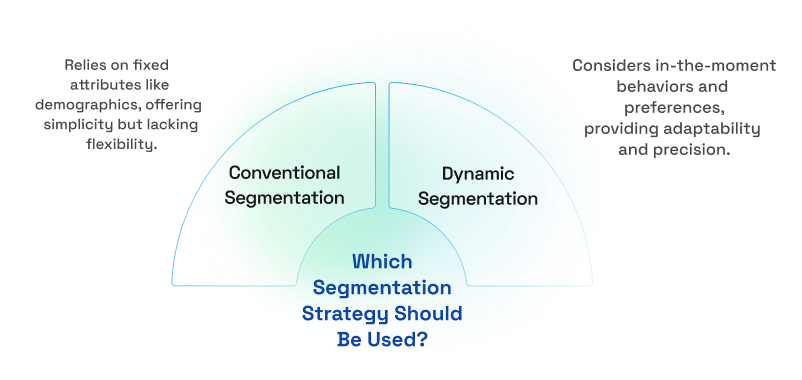
Customer Segmentation: Using Predictive & Adaptive Models for Targeted Marketing