11 Ways to Improve Customer Service in Banking + Examples
Marketing Published: November 15, 2024 Updated: July 11, 2025
---desktop---

---mobile---

One frustrating phone call, a glitchy app, or an uninterested representative. Just like that, a loyal customer is gone. According to Gartner, 81% of banking customers say they would switch banks after just one bad experience.
Think about it. When was the last time you called customer service, got stuck in an endless IVR loop, or waited on hold forever, and thought, Wow, this is exactly how I wanted to spend my time? Didn’t happen, did it?
Today’s customers expect quick resolutions, seamless service, and a touch of personalization not scripted responses and endless transfers. The reality? Banks that prioritize exceptional customer service, both digital and human, will win. Those that don’t will be watching their customers leave for competitors who do.
The real question is: Is your bank’s customer service building loyalty or breaking it?
---outlined-cta--- Download Now: Customer Service Metrics Calculator [Free Template]
What Defines "Good Customer Service" in Banking?
In the banking world, being great at helping customers is a must, as the field itself revolves around money. It's all about being quick and efficient. This is the most important job in banking. When you're fast and good at it, it helps keep customers happy, reduces complaints, and brings in more business.
Customer service in banking is like making customers feel special. It's about understanding and meeting their needs really well, enhancing their overall customer experience. And when you're good at this, it keeps customers coming back.
Importance of Customer Service in Banking
Customer service in the financial services sector spends a lot to get new customers. It can be five times more expensive than keeping the ones they already have. So, it's important for them to find the right ways to make their customer service better. Delivering high-quality customer service in banks plays a critical role in customer satisfaction, loyalty, and long-term growth.
---cta--- [Free Template] Get Instant Access to the Customer Service Metrics Calculator Download Now
Customer service might seem different in various industries, but at its core, it's all about providing great service to your customers.
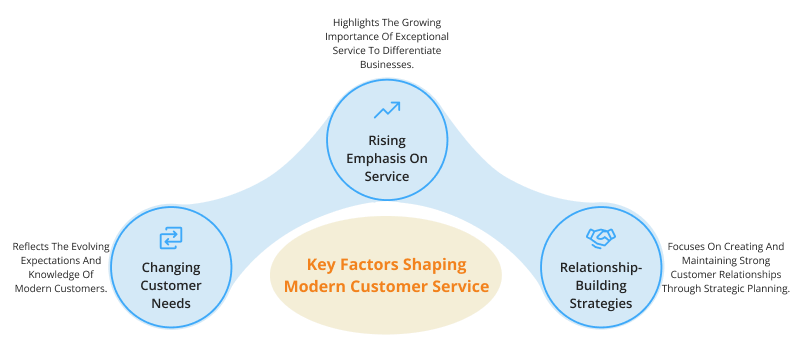
- Changing Customer Needs: Today's customers are pickier and more knowledgeable than they were three decades ago.
- Rising Emphasis on Customer Service: As customer demands change, businesses are using good customer service to set themselves apart from the competition.
- Strategies for Building Customer Relationships: To create a customer service plan that truly helps customers, it should be well-thought-out, put into action, and closely monitored. This plan should be front and center, not just a small part of the overall marketing strategy.
Critical Customer Service Challenges Faced by Banks
The shift to digital platforms has brought convenience but also confusion for some users. Providing good support both online and offline is tough—yet essential for delivering strong customer service in banking today.
Here are the top challenges faced by financial institutions:
- Increased Customer Expectations: Customers now expect faster, more personalized service. They want quick responses and solutions, often in real time.
- Complex Products: Financial services can be difficult to understand. Customers need clear explanations to make informed decisions. This can be hard to provide when services are complicated.
- Digital Shifts: Many customers prefer using online platforms and apps, but not everyone finds them easy to use. Offering good support across multiple channels, both online and offline, is tough.
- Data Security Concerns: With more data being shared online, customers worry about their privacy and security. Providing secure, trustworthy service is crucial for maintaining confidence in customer service banking environments.
- Regulatory Compliance: Financial institutions have to follow strict rules, which can sometimes slow down processes. Balancing good service while staying compliant is a challenge.
- Staff Training: Customer service staff need to be trained to handle both simple and complex issues. With changing products and technology, keeping them up to date is a constant effort that directly influences the overall customer service experience in banking.
- High Volume of Requests: As customer demands grow, so does the number of service requests. Managing a large volume without compromising quality is a big challenge.
Traditional vs Digital Banking Service Channels
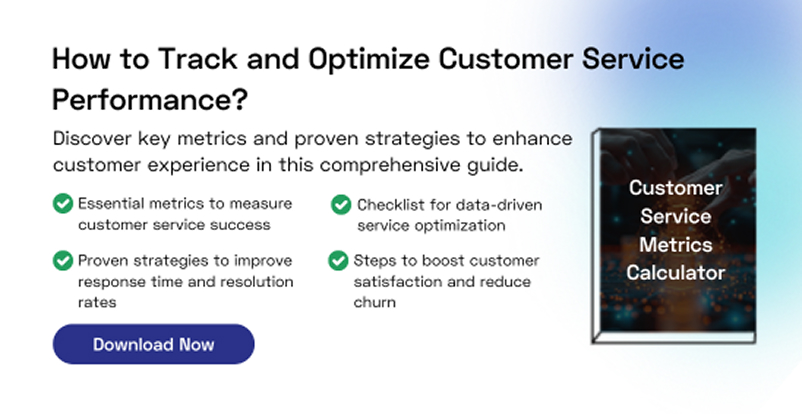
Traditional banking relies on physical branches where customers interact face-to-face with bank representatives. This model is valued for personalized service, especially for complex transactions, but it comes with drawbacks like limited operating hours, slower processing times, and higher operational costs. Security in traditional banking is based on physical verification, which some customers find reassuring.
On the other hand, digital banking provides 24/7 accessibility through mobile apps, websites, and chatbots, making transactions faster and more convenient. Customers can perform tasks like fund transfers, bill payments, and account management instantly, often without human intervention. AI-driven personalization tailors services based on user behavior, while advanced security measures such as multi-factor authentication and biometric verification ensure safety. Additionally, digital banking operates at a lower cost, enabling banks to offer better rates and lower fees.
To meet evolving customer expectations, banks must adapt by integrating digital banking with traditional service models. While face-to-face interactions remain valuable for complex needs, the convenience, speed, and personalization of digital banking are now essential for delivering seamless customer service. Adopting digital banking ensures round-the-clock accessibility, faster resolutions, and enhanced security, ultimately strengthening customer satisfaction and loyalty.
If you're wondering how to improve customer service in banks in a world of rising expectations, digital demands, and shrinking patience—these strategies offer a clear path forward.
11 Best Practices to Improve Customer Service in Banking
Customers today want personal, relevant, and easy-to-access experiences when they deal with businesses, including in the world of finance. With new post-pandemic habits taking hold, offering digital-first service is essential to keep customers engaged from anywhere.
- Proactive Customer Outreach
- Keep an Eye on the Whole Customer Journey
- Offer Real-Time Help
- Personalize Customer Experience
- Use a Banking AI Chatbot
- Create an Omnichannel Banking Experience
- Teach Employees Better People Skills
- Build a Knowledge Hub for Self-Help
- Ask Customers for Their Opinions/ Customer Feedback
- Enrich the Digital Experience
- Use Contextual Information
The following are key strategies to improve customer service in banking, designed to meet rising customer expectations and reduce churn.
Let's take a closer look at how each of these strategies can make the banking experience outstanding.
1. Proactive Customer Outreach
Being proactive means reaching out to customers before they even realize they need help. Instead of waiting for a problem, banks can step in early, showing customers they’re valued and keeping them happy.
Sometimes, banks can identify customers who may need additional assistance or who have become inactive. Proactively reaching out to these customers can strengthen relationships and improve retention.
Why Proactive Outreach Matters:
Customers often disengage:
- When they feel neglected
- When their needs change
- When they encounter issues without prompt resolutions
This disengagement can lead to customers switching banks or reducing their interaction with the institution. By identifying customers who may need extra attention, banks can intervene early, preventing these customers from leaving and reinforcing their commitment to the institution.

---outlined-cta--- [Free Strategy Guide] Mastering Digital Acquisition for High-Net-Worth Banking Clients
Ways to Orchestrate Proactive Customer Service:
Picture a customer’s journey with a bank that’s not just transactional but deeply supportive, anticipating needs at every stage.
It starts with a warm welcome and a reminder to keep track of account activity. As part of the setup, the bank ensures the customer has all the basics, including setting up automated bill reminders. These small, thoughtful nudges help the customer avoid missed payments and unnecessary late fees, establishing trust right from the start.
As time goes on, the bank keeps in touch with occasional surveys, inviting the customer to share feedback on their experience. This makes them feel valued, knowing their opinions are heard and appreciated. Meanwhile, the bank’s tech team is constantly refining the online experience fixing common issues before they affect customers. As a result, each login is seamless and efficient, sparing the customer from the usual frustrations.
When it’s time to explore new services, the customer begins an online application and finds helpful DIY guides at every step. These guides provide clarity, making the process easy to follow and giving them the confidence to complete it independently.
As they settle in, the bank begins offering personalized recommendations based on their goals. A suggestion might include a savings plan or other options that align with their financial aspirations. These targeted insights show the bank truly understands their unique priorities, making each recommendation feel relevant and thoughtful.

Then, one evening, the customer receives a proactive alert about unusual activity on their account. This early fraud notification reassures them that the bank is vigilant, constantly watching out for their financial safety.
Over time, if their account activity quiets down, a friendly check-in arrives, reminding the customer that the bank is still there for support. This message rekindles the connection and lets them know they’re not forgotten, even during slower periods.
Finally, the bank schedules regular account check-ups, ensuring that everything is on track and that the customer is aware of any services or support available to meet evolving needs. These periodic reviews deepen the relationship, reinforcing that the bank isn’t just about transactions—it’s about proactive, ongoing support.
Through each thoughtful touchpoint, the bank builds a journey that feels personal and connected, supporting the customer every step of the way and fostering a relationship based on trust, care, and a commitment to their financial well-being.
How AI Helps: AI can monitor customer behavior and alert the bank to reach out before a customer becomes dissatisfied. Proactive customer outreach is key to preventing issues before they escalate and improving customer loyalty and satisfaction.
---cta--- Access the Free Customer Service Metrics Calculator [FREE Template] Download Now
2. Keep an Eye on the Whole Customer Journey
Begin with what your customer journeys are, as they will help you deliver exactly what your customers have in mind.
Discovering the Touchpoints: Let's start with the basics! First, you need to pinpoint all the places and ways you connect with customers. In the world of banking, a typical customer journey might involve:
- A business pro checks their account balance online.
- Visiting a branch to deposit a paycheck.
- Confirming the deposited funds using their smartphone
Ensure you collect feedback at these three touchpoints. Then, by recognizing your target customers, develop customer profiles and concentrate on improving your customer experience program.
Crafting Customer Personas: Next, sketch out the path customers take when they interact with your bank. Start at the first contact point, map out every subsequent step, and consider all possible steps until their journey concludes.
| Persona | Touchpoints | Suggested Improvements |
| Business Pro | Managing multiple accounts, business loans, priority support. | Streamline account management with integrated digital tools, faster business loan approval process. |
| Retiree | Accessing pension accounts, branch visits, phone support. | Simplify access to pension accounts online, offer dedicated senior support line. |
| Millennial | Mobile banking, applying for loans, peer-to-peer payments. | Enhance mobile app UX, offer personalized loan offers, integrate social payment features. |
| Student | Checking account balance, mobile app, education loan. | Simplify loan applications, offer student-friendly financial literacy resources in the app. |
Chart the Journey: Lastly, pinpoint customers who might be at risk and reach out to them personally to strengthen the relationship. By understanding why customers might be dissatisfied during their customer lifecycle, you can enhance their loyalty. This kind of insight helps banks figure out how to improve customer experience in banking with more relevant support and timely engagement.

Rescuing At-Risk Customers: Sometimes, you may notice customers who seem dissatisfied or unhappy. It's greatly important to spot a ship in distress. In these situations, engage with these customers personally, like sending a rescue team to help. This personal touch increases the likelihood of retaining these customers.
- Some banks track customer behavior to see if someone may be unhappy, such as when a customer stops using their account or visits a competitor’s website. The bank then reaches out to check if the customer needs help, offering personalized solutions to keep them satisfied.
From Customer Reaction to Prediction: The ultimate objective is to use experience management to shift from reacting to anticipating customer needs, ultimately delivering exceptional experiences at every touchpoint.
You can gain deeper insights into customer behaviors and preferences using Adobe's customer journey mapping tools. Explore our Adobe consulting services to effectively leverage these insights.
What AI can do: AI can track and analyze every step of the customer journey. It helps identify where customers might face issues and suggests ways to improve their experience. AI also predicts customer needs based on their behavior, allowing banks to offer help before a problem arises. This is crucial in retail banking service where customers expect a smooth and personalized experience at every interaction.
- Suggestion for Bank Improvement: Use AI tools to track a customer's entire interaction with your bank—from checking their balance online to visiting a branch. AI analyzes this data and helps banks understand where customers struggle and where they can improve, like offering more personalized loan options based on customer history.
3. Offer Real-Time Help
Today, people want to manage their finances on the fly and seek quick online solutions, and the top choice for this is live chat.
According to a leading international bank, 90% of users who engage in live chat successfully complete their home-equity applications. Live chat acts as an antidote to the impersonal and bureaucratic vibes often associated with banking institutions. It offers your customers a personal and easily accessible human touch.
So, how can live chat improve customer service in the banking industry?
Boost Sales Conversions: Live chat can swiftly address customer inquiries, expedite decision-making, and result in more sales. It can also proactively engage customers by analyzing their behaviors, offering assistance if they get stuck, and automatically opening a chat window with an inviting message.
Secure File Sharing: By integrating a secure, real-time customer support interface that adheres to GDPR, you can seamlessly exchange files with clients, ensuring a compliant and efficient solution for the banking industry.
Instant Problem Solving: Live chat provides immediate solutions for banking and financial queries, utilizing digital engagement tools like video chat and co-browsing to deliver superior customer service.
Cost Savings: With canned responses, you can manage multiple chats and provide faster answers. Live chat enhances the efficiency of service representatives through automated routing, ultimately offering better support to banking customers.
---outlined-cta--- Use this free Customer Service Metrics Calculator to measure and optimize key metrics like NPS, CSAT, and customer retention.
How AI Helps: AI-powered chatbots can assist customers instantly, answering common questions or guiding them through tasks like checking balances or transferring money. AI can also route more complex issues to human agents.
- Deploy AI chatbots on your bank’s website or app to answer questions instantly. For example, a customer asks about their account balance, and the AI chatbot provides the information in seconds. If the query is more complex, AI can escalate it to a human agent.
4. Personalize Customer Experience
Personalized experiences are like gold in any industry, and when it comes to banking, video chat is a tool that can have a profoundly positive impact. The use of video chat in customer service for banks has surged by 70%. Its value multiplies when it's integrated with other tools for customer engagement.
Let's explore the advantages of using video chat for customer service in the banking world:
Live Customer Interaction: Video chat enables businesses to directly engage with customers on their websites or mobile apps, enhancing the level of interaction.
Tailored Experiences: When you combine a video chat platform with other customer engagement tools like live chat and chatbots, delivering personalized interactions throughout the customer journey becomes a breeze.
Swift Issue Resolution: The combination of co-browsing and video chat allows real-time collaboration with customers, making issue resolution faster and more efficient.
Proactive Support: Cross-platform video chat comes in handy for offering proactive support and effective engagement once you've gained insights into your customer's journey.
What AI can do: AI can analyze customer data and create personalized offers, services, and experiences based on customer preferences. This improves satisfaction and builds loyalty. Relationship banking is built on trust and personalized attention, and with AI, banks can strengthen these relationships by providing tailored solutions.
- AI can review a customer’s spending habits and suggest tailored credit card offers. For example, if a customer frequently travels, the AI might recommend a travel rewards card, improving the customer’s satisfaction and engagement.
5. Use a Banking AI Chatbot
AI's role in banking customer service is on the rise, evolving processes and expanding access to services once limited to apps.
Banks now recognize the need to enhance customer service quality while reducing the time spent on repetitive user queries. Consequently, they are prioritizing automation and round-the-clock service. This means offering scalable 24×7 customer support across multiple channels and languages. For banks offering personalized banking solutions, AI chatbots can ensure that customers receive individualized responses to their specific needs.
AI in Banking Customer Service: AI chatbots in banking customer service simplify tasks such as money transfers and account balance checks through conversational interfaces, guiding customers through these actions.
So, how does deploying an AI chatbot lead to improved customer service?
Constant Engagement: A banking chatbot can be deployed on websites and browsing pages to initiate conversations, analyze user behavior and interests, and introduce banking products.
Enhanced Conversations: AI bots accurately respond to customer inputs, providing conversational experiences at every step of the journey. Complex chats are routed to the right human representative, ensuring personalized support.
Personalization: By using chatbot analytics that capture user behavior, trends, and patterns, banks can offer relevant and personalized services and offers to their customers.
FAQ Automation: AI bots, available 24×7, can handle customer problems at any time without human intervention. Bots equipped with advanced algorithms and machine learning capabilities can tackle even complex queries.
Introduce AI chatbots that help customers with simple transactions, like transferring money or checking account balances, 24/7. For example, customers can ask the chatbot to transfer funds between accounts without logging into multiple systems.
6. Create an Omnichannel Banking Experience
Surprisingly, Reuters reports that 60% of customers still prefer opening a new checking account at a bank branch rather than through digital means.
Recognizing the winds of change, most banks have embraced the omnichannel approach as the linchpin of their strategies. They've realized that the user-friendly, innovative, simple, and accessible platforms offered by FinTech companies have a significant impact on customer behavior.
Opting for an Omnichannel Customer Experience: An omnichannel customer service strategy enables banks to utilize all available marketing channels, providing an integrated and hassle-free customer experience.
Customers can transition from a bank's app to their website, receive push notifications, or interact on social media while encountering consistent branding and messaging throughout the journey.
So, how does an omnichannel approach benefit customer service in banking?
Swift Issue Resolution: Omnichannel banks leverage digital tools and strategies to handle customer requests more efficiently, leading to faster issue resolution and increased customer satisfaction.
Enriched Customer Experience: By offering consistent support across all online and offline customer service channels, banks elevate the overall customer experience.
Streamlined Customer Journey: Banks gain better insights into the customer lifecycle with access to conversation history, allowing them to provide personalized, real-time support.
Reduced Customer Churn: Customers expect instant responses, and when they receive real-time support across their preferred channels, there is a big decrease in customer churn.
It's important to note that to create a successful omnichannel customer experience, banks should blend traditional and digital components harmoniously.
What AI can do: I can ensure that customers have a seamless experience across all channels, whether they are on the app, website, or in a branch. AI keeps track of conversations and provides personalized responses no matter how the customer reaches out.
- Use AI to integrate customer support across platforms: AI can track a customer’s interaction history across channels. If a customer starts an inquiry on social media, AI ensures they receive consistent support when they follow up in person or via a mobile app, making their experience seamless across all platforms.
---outlined-cta--- Achieving Omnichannel Success in Banking – Access the Complete PDF Guide!
7. Teach Employees Better People Skills
Dealing with financial matters requires exceptional interpersonal skills, making frontline employees an invaluable asset to any financial institution.
Consider this scenario: You might need to clarify to a customer why their loan application was declined or why a mortgage can't be processed. In these moments, it's not only crucial to be clear and transparent about the available options but also to exhibit empathy and maintain composure. This approach significantly reassures customers.
Therefore, banks and financial service providers should invest in customer service training for their employees, preparing them to handle a wide range of situations. While it may seem like an added cost impacting the bank's bottom line, the investment pays off when customers remain loyal due to exceptional customer service.
How AI Helps: AI can provide training simulations for employees, helping them improve their customer service skills. It can analyze past interactions to suggest ways staff can handle different customer scenarios better.
- AI-driven training tools can simulate real customer service scenarios. For example, employees can practice responding to difficult conversations, like explaining loan denials, in a low-stress virtual environment where AI provides feedback and guidance.
8. Build a Knowledge Hub for Self-Help
As banks confront new challenges, such as the digital shift, virtual work environments, regulatory demands, and mounting security concerns, they can gain a edge through knowledge management.
An astounding 74% of customers now prefer self-service support portals to address their issues independently before reaching out to live service representatives.
So, how does a knowledge base enhance customer service in the banking industry?
Consistent Information: A centralized knowledge management system guarantees that all employees have access to the same information. This helps them provide standardized responses to customers.
Unified Brand Experience: With a comprehensive knowledge base, you can ensure a consistent, customer-centric brand experience, whether clients engage with your bank through digital channels or face-to-face interactions.
Regulatory Updates: The knowledge base system ensures that all employees stay updated on regulatory changes and understand their implications for the bank and its customers.
Insights: By centralizing research and granting internal stakeholders access to the insights they need, a knowledge management platform offers a holistic view of market research and customer insights.
What AI can do: AI can power self-service tools, guiding customers through common tasks and providing solutions without needing human help. It can also update knowledge bases automatically to ensure the latest information is available.
- Create an AI-powered self-service portal where customers can easily find answers to common banking questions, like how to apply for a loan or reset their password. This reduces the number of calls to customer service, saving time and resources.
9. Ask Customers for Their Opinions/ Customer Feedback
Customers hold unique insights into their needs, often beyond what CRM and helpdesk tools can reveal. To unlock this valuable perspective, actively seek feedback after each interaction. This feedback uncovers whether their needs are met, their financial interests and goals, and ways to enhance their experience.
To gather this feedback, implement check-ins at all touchpoints. For example, when a customer contacts your bank's call center, the representative can conclude the call by asking if they have any more questions and if they are satisfied with the service.
How AI Helps: AI can gather and analyze customer feedback quickly, showing patterns and trends in real time. This allows banks to respond faster and adjust their services to better meet customer needs.
- Use AI to automatically send follow-up surveys after interactions, such as a loan application or a customer service call. AI can analyze this feedback in real time, identifying trends and areas for improvement.
10. Enrich the Digital Experience
Every customer engagement platform needs to be digital-friendly, serving customers on any device.
For example, customers can get frustrated if they can't open a new credit card on their mobile device and are redirected to a desktop site or asked for physical signatures. Mobile-first banks are well-prepared to meet customers wherever they are.
Dynamic interfaces and versatile portals keep customers loyal. Streamlining processes with electronic signatures improves customer service, while maintaining the option for paper keeps customer information accessible to your team.
What AI can do: AI ensures that every digital interaction is smooth and user-friendly. It helps banks optimize their apps and websites by learning from customer behavior and making improvements automatically.
- AI can monitor how customers navigate a bank’s mobile app and suggest changes to make it more user-friendly. For instance, if users often struggle to find the "apply for a credit card" option, AI can recommend making it more visible.
11. Use Contextual Information
For banks and financial institutions, using contextual data is a high priority for long-term success. Contextual data provides valuable insights about individuals and organizations.
In the financial sector, this data helps identify behavioral patterns, assess customer loyalty, and enhance relationships. It's the foundation for crafting customized financial solutions. Banks primarily source contextual customer data from their help desks and CRM tools.
CRMs track customer details, location, social media activity, and preferences. Help desks monitor post-purchase interactions and support requests, often with built-in analytics. This information creates a 360-degree customer view, enabling tailored financial products, cross-selling, targeted marketing, and loyalty programs.
How AI Helps: AI can analyze contextual data, like a customer’s previous interactions or financial habits, to offer relevant and timely advice. This helps build stronger relationships and tailor financial solutions to individual needs.
- AI can analyze a customer’s recent interactions, like their spending patterns and account activity, to offer personalized financial advice. For example, if a customer is saving for a big purchase, the AI might suggest setting up a high-yield savings account.
---outlined-cta--- Target Affluent Customers in Banking – Download Our Complete Acquisition Strategy!
Examples of Excellent Customer Service in Banking: Insights from Leading Banks
a. Citi – AI-Powered Loan Processing for Faster Approvals

Source: Tearsheet
With the demand for faster financial services growing, banks must streamline their operations to meet customer expectations. Citi took a proactive approach by leveraging AI-driven automation to enhance its loan processing efficiency.
Who They Are:
Citi, a global financial institution with a presence in over 100 countries, is known for its innovation in banking technology. Serving millions of customers across retail and corporate banking, Citi continuously invests in digital transformation to enhance efficiency, improve customer experiences, and simplify complex financial processes.
What They Did:
To speed up the loan approval process, Citi partnered with Numerated, a fintech company specializing in AI-driven automation. Their goal was to reduce manual work, eliminate delays, and improve accuracy.
How They Achieved It:
- Integrated AI-powered automation to process loan applications quickly.
- Used OCR (Optical Character Recognition) and NLP (Natural Language Processing) to digitize financial data, making it easy to analyze.
- Cut processing time from days to just hours, improving operational efficiency.
Why It Works:
The partnership led to a 50% reduction in loan processing time, allowing Citi to handle more applications with fewer resources. By leveraging AI, they increased accuracy, reduced errors, and enhanced customer satisfaction with faster approvals.
b. Capital One – AI Chatbots for Personalized Banking
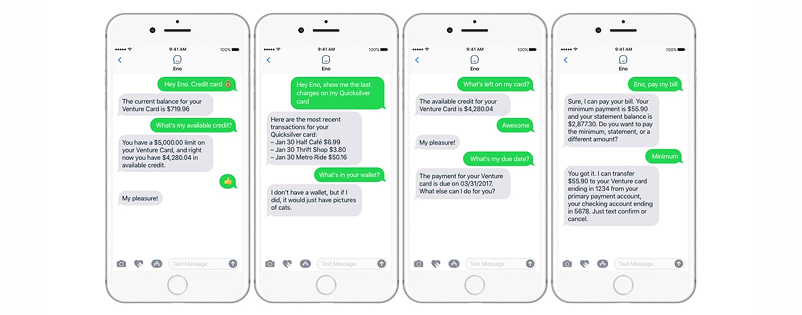
As digital banking evolves, customers expect instant, seamless support. Capital One recognized this shift and leveraged AI to enhance customer engagement and simplify everyday banking interactions.
Who They Are:
A pioneer in technology-driven banking, Capital One is committed to delivering AI-powered solutions that make financial services more accessible and efficient. With a strong focus on digital innovation, the bank continuously invests in automation and customer-centric technologies to improve the banking experience.
Why They Did:
To enhance engagement, Capital One built Eno, an AI chatbot that provides real-time assistance and personalized financial insights. The bank also launched a machine learning-powered personalized feed in their mobile app.
How They Achieved it:
- Developed Eno, an AI-powered chatbot to assist customers with transactions and queries.
- Implemented machine learning to personalize banking experiences based on user behavior.
- Rolled out an award-winning mobile app with smart features and predictive recommendations.
Why It Works:
Capital One’s AI-driven solutions deliver personalized conversations, making banking more intuitive and customer-friendly. The chatbot and personalized feed increase engagement, ensuring customers feel understood and supported at every step.
Final Thoughts
The financial services sector is ever-changing, with new trends and regulations surfacing regularly. To improve customer experience in banking, staying attuned to industry developments and continuously seeking ways to enhance banking customer service is mandatory.
Banks should cling to change, seek continuous improvement, and adopt new technology. By listening to customers and investing wisely in digital customer engagement tools, they can ensure exceptional service and adapt to industry shifts.